

Written by Francesca Steyn, NMC-registered fertility practitioner
A sperm DNA fragmentation test looks at the genetic material inside sperm, rather than the numbers a standard semen analysis reports. It is a topic that comes up a lot, partly because it sounds more advanced than a routine test. The honest answer, and the one the latest UK guidance now supports, is that most men do not need a sperm DNA fragmentation test. Here is what it actually measures, what causes fragmentation, and where a standard semen analysis fits in.
What Is Sperm DNA Fragmentation?
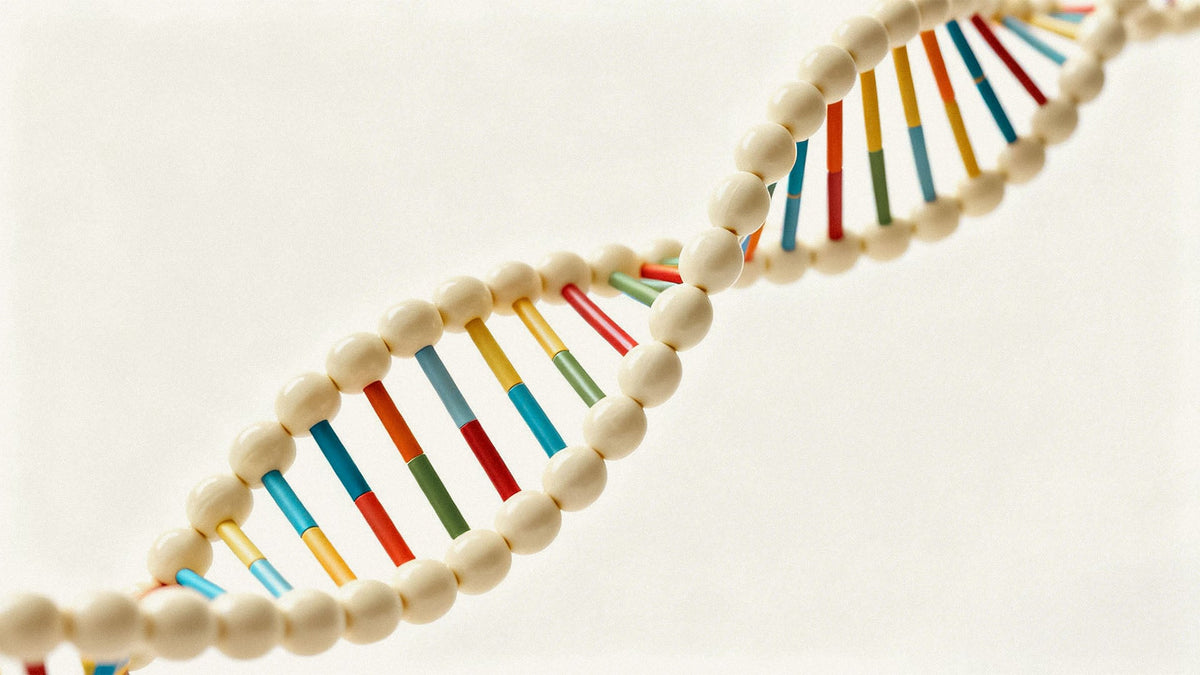
Sperm DNA fragmentation refers to breaks or damage in the genetic code carried inside a sperm cell. That DNA holds the instructions for fertilisation and early embryo development, so in theory, more damage could mean a lower chance of a healthy pregnancy.
The important word is “could”. A sperm cell can look completely normal under a microscope and still carry damaged DNA. That is the whole reason the test exists: it measures something a standard semen analysis cannot see.
Fragmentation is usually reported as a DNA Fragmentation Index, a percentage showing how many sperm in a sample carry damaged DNA. There is no single agreed cut-off point across UK laboratories, which is one of the reasons the test remains debated.

How It Differs From a Standard Semen Analysis
A standard semen analysis measures three main things: how many sperm are present (concentration and total count), how well they move (motility), and their shape (morphology). These are checked against World Health Organisation reference values. If you want a fuller explanation of those numbers, our guide to what a normal sperm count looks like breaks them down.
What a semen analysis does not do is look inside each sperm at the quality of its genetic material. A man can have a normal sperm count, good motility and healthy-looking morphology, and still have a raised level of DNA fragmentation. The reverse is also true.
DNA fragmentation cannot be picked up through the microscope-based methods used in a routine analysis. It needs specialist laboratory techniques, the most common being SCSA (Sperm Chromatin Structure Assay), TUNEL and the Comet assay. These are more involved, more expensive, and not offered as standard.
What Causes Sperm DNA Fragmentation?
Two causes come up most often. The first is a varicocele, which is a group of enlarged veins in the scrotum that can raise testicular temperature and interfere with sperm production. The second is oxidative stress, an imbalance in the body that can damage sperm DNA over time.
Oxidative stress can be driven by smoking, heat exposure, older age, illness and diet. Infection, inflammation and exposure to environmental toxins may also play a part. Many of these overlap with the same lifestyle factors that affect sperm count and motility, which is why general sperm health tends to move together rather than in isolation.
What the Updated NICE Guidance Says
This is where the picture became clearer. In its updated fertility guideline, NG257, published in March 2026, the National Institute for Health and Care Excellence set out a direct recommendation: do not carry out testing for sperm DNA integrity, which is another term for fragmentation.
The same guidance also advises against offering supplements, antioxidants or medical treatments aimed at improving sperm DNA integrity. In plain terms, NICE concluded that the evidence does not yet support routine DNA fragmentation testing as a way to guide fertility decisions for most people, and that treatments marketed to “fix” fragmentation are not backed by strong enough evidence either.
This matters because DNA fragmentation testing is widely offered by private clinics, often at additional cost. The updated guidance is a useful reference point if you are weighing up whether it is worth doing.
What This Means in Practice
If you are thinking about your fertility, or you and your partner have been trying for a while, the sensible first step is still a standard semen analysis. It is the recommended starting point, it is far less expensive, and it gives you the core numbers that matter most. Our guide on what to expect before taking a fertility test walks through how it works.
A DNA fragmentation test is not something to rush towards. If your semen analysis is normal and there is no specific clinical reason to look further, the current UK position is that fragmentation testing is unlikely to change what happens next. If there is a more complex picture, such as unexplained results or recurrent miscarriage, that is a conversation to have with a fertility specialist who can advise on whether any further testing is appropriate, and on what treatment options exist for male sub-fertility.
The practical takeaway is reassuring: you do not need the most advanced-sounding test to get useful, trustworthy information about your fertility. You need the right test, interpreted properly.
Frequently Asked Questions
Is a sperm DNA fragmentation test worth it?
For most men, no. Updated NICE guidance published in March 2026 recommends against routine sperm DNA fragmentation testing. A standard semen analysis is the recommended first step. Any further testing is best decided with a fertility specialist based on your individual situation.
Can you have normal sperm but high DNA fragmentation?
Yes. A sperm sample can show a normal count, good motility and healthy shape, yet still carry damaged DNA inside the cells. This is possible because a standard semen analysis measures the sperm you can see, not the genetic material inside each one.
What causes sperm DNA fragmentation?
The most common causes are varicocele, which is enlarged veins in the scrotum, and oxidative stress. Oxidative stress can be linked to smoking, heat exposure, age, illness and diet. Infection, inflammation and environmental toxins may also contribute.
Does NICE recommend sperm DNA fragmentation testing?
No. In its updated fertility guideline NG257, published in March 2026, NICE recommends not carrying out testing for sperm DNA integrity, also known as fragmentation. It also advises against supplements or treatments marketed to improve DNA integrity.
What test should I have first?
A standard semen analysis is the recommended starting point. It measures sperm count, motility and morphology against World Health Organisation reference values, and gives you the core information most people need before considering anything further.
If DNA fragmentation has been on your mind, the most useful thing you can do is start with the basics. Malebox offers an at-home sperm test with a clinical consultation, with results measured against World Health Organisation guidelines and explained by an NMC-registered fertility practitioner, so you understand what your numbers actually mean and what, if anything, is worth doing next.
Francesca Steyn is an NMC-registered fertility practitioner with over 20 years in reproductive health. She has served on the NICE guideline committee and the HFEA legislative reform group.


