

Written by Francesca Steyn, NMC-registered fertility practitioner
Sperm health is influenced by far more than genetics or age alone. Daily lifestyle choices including how men exercise, fuel their bodies, and use gym or performance supplements play a significant role in reproductive health. Understanding how exercise and nutrition affect sperm health empowers men to make informed decisions that support both fertility and long-term wellbeing.
What do we mean by sperm health?
Sperm health refers to the overall quality and function of sperm, commonly assessed through a semen analysis. Key parameters include:
-
Count: The number of sperm present
-
Motility: How effectively sperm move, which is essential for fertilisation
-
Morphology: The shape and structure of sperm
These parameters are sensitive to lifestyle factors, particularly physical activity levels, nutritional status, and supplement use.
Exercise and sperm health: finding the right balance
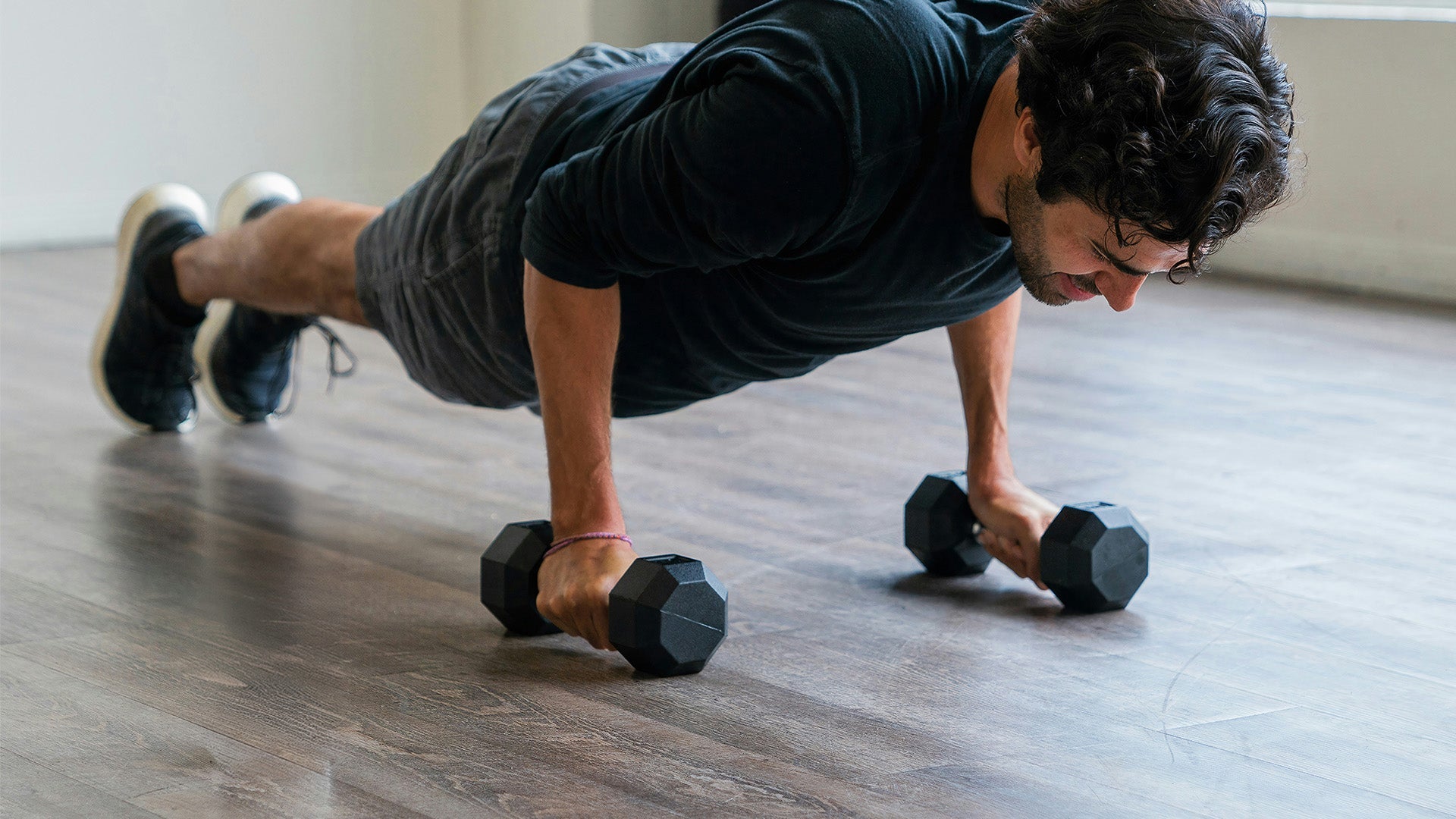
Regular physical activity is strongly associated with better overall health, and sperm health is no exception. Moderate, consistent exercise has been linked to improved sperm count and motility, likely due to better hormone regulation, improved circulation, and reduced oxidative stress.
However, more is not always better. Excessive or very intense training without adequate recovery may negatively affect sperm parameters. High training loads can increase physiological stress, disrupt hormone balance, and contribute to fatigue and inflammation, all of which may impact semen quality.
What the evidence suggests:
-
Moderate resistance training and aerobic exercise are associated with healthier semen parameters
-
Overtraining, particularly endurance training without recovery, may be linked to reduced sperm count and motility
-
Adequate sleep and rest days are essential for recovery and reproductive health
Gym supplements: helpful or harmful?
Gym and performance supplements are widely used to enhance muscle growth, endurance, and recovery. While some supplements may support overall health, others can pose risks to sperm health, especially when used excessively or without professional guidance.
Potential concerns include:
-
Anabolic steroids and prohormones: Strongly associated with reduced sperm production and testicular suppression
-
Unregulated supplements: Some products may contain undeclared hormones or stimulants
-
High-dose stimulants: Excess caffeine and stimulant blends may increase stress responses and disrupt hormonal balance
Men using supplements for performance should be aware that “natural” does not always mean safe, particularly for reproductive health.
Nutrition and sperm health
Nutrition plays a foundational role in sperm production and function. Diets that support metabolic health, hormone balance, and antioxidant defences are consistently associated with better semen quality.
Key nutrients linked with improved sperm parameters include:
-
Zinc: Important for testosterone production and sperm development
-
Selenium: Supports sperm motility and overall reproductive function
-
Omega-3 fatty acids: Associated with improved sperm movement and structure
-
Folate: Plays a role in cell division and overall reproductive health
-
Vitamins C and E: Support antioxidant defences and sperm function
Men who train regularly may have higher nutritional requirements, making balanced intake particularly important.
Protein powders and amino acids
Protein supplementation is common among men who exercise frequently. When used appropriately, high-quality protein powders (such as whey or plant-based proteins) are generally considered safe and can support muscle recovery without negatively affecting sperm health.
Certain amino acids, including L-carnitine and L-arginine, have been studied for their potential role in supporting sperm motility and overall semen quality. As with all supplements, dosing and quality matter.
Practical tips for supporting sperm health while training
-
Train consistently but avoid chronic overtraining
-
Prioritise recovery, sleep, and rest days
-
Choose third-party tested supplements to reduce contamination risk
-
Avoid anabolic steroids and hormone-altering products
-
Focus on a nutrient-dense diet alongside supplementation
-
Limit excessive caffeine and stimulant-heavy pre-workouts
In summary
Exercise and nutrition can be powerful tools for improving sperm health when approached thoughtfully. Moderate training, adequate recovery, and evidence-based supplementation support both reproductive health and physical performance.
Men who train regularly or use gym supplements should consider sperm health as part of their overall wellness strategy. With the right balance of exercise, nutrition, and informed supplement use, it’s possible to support fertility while still achieving fitness goals.
Sperm health isn’t just about reproduction, it’s a reflection of how well the body is functioning as a whole.
Francesca Steyn is an NMC-registered fertility practitioner with over 20 years in reproductive health. She has served on the NICE guideline committee and the HFEA legislative reform group.
Reference list :
PubMed — Influence of Physical Activity on Male Fertility
Scientific summary of exercise intensity and sperm quality:
https://pubmed.ncbi.nlm.nih.gov/35415898/
PMC — Effectiveness of Exercise Interventions on Sperm Quality
Review of exercise intensity and seminal parameter changes:
https://pmc.ncbi.nlm.nih.gov/articles/PMC11913713/
European Fertility Society — Nutrition & Supplements for Male Fertility
Evidence-based overview of dietary and supplement support for sperm health:
https://www.europeanfertilitysociety.com/nutrition-supplements-for-male-fertility-and-sperm-health/
PMC — Effect of Nutrients and Dietary Supplements on Sperm Quality
Meta-analysis showing nutrients linked to improved sperm parameters:
https://pmc.ncbi.nlm.nih.gov/articles/PMC6247182/
MDPI (Nutrients) — Dietary Supplements and Male Infertility
Systematic review of supplement effects on sperm count, motility, morphology:
https://www.mdpi.com/2072-6643/17/10/1710
Sports Medicine — Impact of Endurance Exercise on Semen Quality
Review of how various exercise intensities affect semen parameters:
https://sportsmedicine-open.springeropen.com/articles/10.1186/s40798-024-00739-z
Middle East Fertility Society Journal — Moderate Exercise & Semen Quality
Study showing moderate activity improves antioxidant status and sperm parameters:
https://mefj.springeropen.com/articles/10.1186/s43043-025-00233-w
Healthline — How to Boost Male Fertility
Practical overview of diet, lifestyle, and nutrients linked to sperm health:
https://www.healthline.com/health/boost-male-fertility-sperm-count
British Fertility Society — Male Factor Fertility
UK-based clinical resource explaining male infertility causes, diagnosis, and management:
https://www.britishfertilitysociety.org.uk/information-hub/male-factor/


